
Dust Suppressant and Soil Stabilization
Clear the Air on Unpaved Surfaces
Dust suppressant and soil stabilization in Phoenix control airborne dust and strengthen weak ground.
Dust clouds rise every time a vehicle drives across your unpaved road or parking area in Phoenix, reducing visibility, coating nearby buildings, and creating respiratory hazards for anyone working or living nearby. Dust suppressant treatment binds surface particles together so they stay in place instead of becoming airborne, while soil stabilization strengthens weak or loose soil to create a solid base that supports traffic without rutting or shifting. You notice cleaner air, better visibility, and a firmer surface that holds up under repeated use.
PRAM applies dust control solutions to unpaved roads, gravel parking areas, construction sites, rural properties, and industrial surfaces throughout Phoenix, using proven materials that bind dust particles without creating mud or runoff. Soil stabilization involves mixing binding agents into the soil or applying surface treatments that increase load-bearing capacity, reduce erosion, and prepare the ground for paving or long-term gravel use. Applications include private roads, construction access routes, agricultural properties, commercial sites, and high-traffic areas where dust or unstable soil creates safety or maintenance problems.
Call 520-425-0777 or send an email to schedule dust suppressant and soil stabilization services for your Phoenix property.
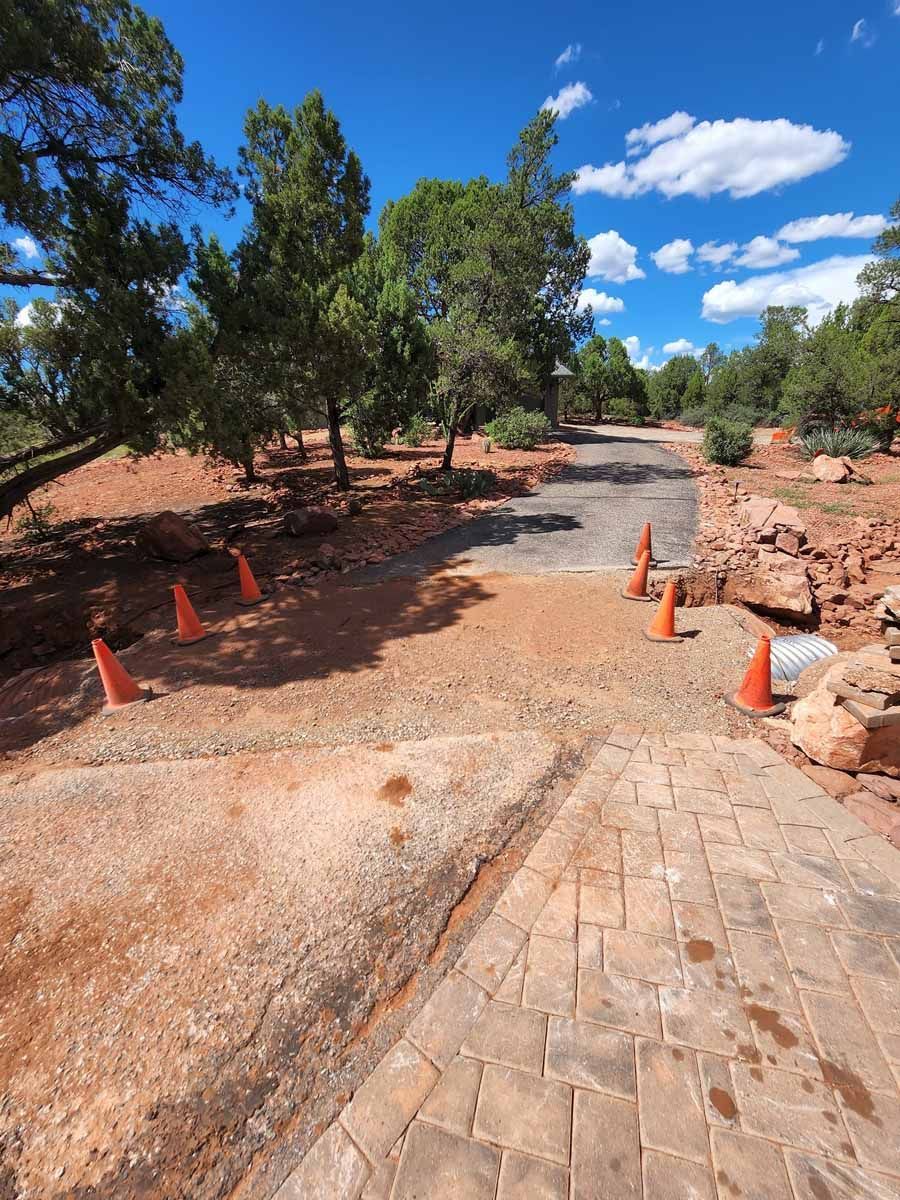
What Changes After Dust Control and Stabilization
PRAM begins by grading the surface to remove loose material and create proper drainage, then applies dust suppressant using spray equipment calibrated for even coverage across unpaved roads and parking areas in Phoenix. Soil stabilization involves working binding agents into the top layer of soil using mechanical mixers or applying surface treatments that penetrate and harden the ground, depending on soil type and intended use. Both methods require dry conditions for proper curing and bonding.
After treatment, you will notice that vehicles no longer kick up dust clouds when they pass, and the surface stays firm without developing ruts or washboard patterns. Visibility improves immediately, and nearby buildings, equipment, and landscaping remain cleaner. Soil stabilization creates a hard, load-bearing surface that resists erosion and supports heavier traffic without requiring constant regrading or adding more gravel.
Dust suppressant works best on surfaces that are already graded and compacted, and it does not fix drainage problems or structural base failures. Soil stabilization cannot correct severe erosion or support loads beyond the capacity of the underlying soil without additional base work. PRAM uses materials and application techniques that meet environmental standards and provide long-lasting results under high-traffic and high-dust conditions common in Phoenix.
What to expect before and during treatment
Property owners and contractors in Phoenix often ask about application timing, how long treatments last, and what conditions are needed for effective dust control and soil stabilization.
How long does dust suppressant last?
Dust suppressant typically lasts several months to a year depending on traffic, weather, and surface conditions, and it may require reapplication after heavy rain or prolonged dry periods. PRAM recommends scheduling treatments before peak dust seasons in Phoenix to maintain consistent control.
What types of soil can be stabilized?
Most soils can be stabilized using appropriate binding agents, but sandy or highly organic soils may require different treatments than clay-based soils. PRAM evaluates soil conditions before recommending stabilization methods that will deliver the load-bearing capacity you need.
How soon can I use the surface after treatment?
Dust suppressant usually cures within a few hours, while soil stabilization may require one to three days before the surface can handle traffic. PRAM provides specific curing times based on weather conditions and the materials used during your Phoenix project.
Will dust suppressant create mud or runoff?
You can typically drive on new asphalt within 24 to 48 hours, but full curing takes several weeks depending on temperature and humidity in Phoenix. PRAM provides specific guidance based on the asphalt mix and weather conditions during installation.
When should soil stabilization be used instead of paving?
Soil stabilization works well for access roads, temporary construction routes, or areas where paving is not cost-effective or necessary. If you need a permanent, smooth surface for heavy daily traffic, paving over a stabilized base provides better long-term performance.
PRAM provides dust suppressant and soil stabilization for unpaved roads, construction sites, and commercial properties across Phoenix and surrounding areas within a 100-mile radius, including Cottonwood and Prescott. Contact us at 520-425-0777 or send an email to address your dust control and soil stabilization needs.